Home › Commercial Epoxy Repair and Resurfacing
Superior Epoxy New York offers commercial epoxy floor repair in Brooklyn, NY for warehouses, plants, and facilities with failing coatings. We grind away loose material, patch damage, and install new resurfacers or topcoats to restore performance. Our goal is to minimize downtime while giving your floor a renewed, professional appearance.
Superior Epoxy New York provides professional commercial epoxy floor repair throughout Brooklyn, NY, New York and the surrounding area. Our licensed, insured crew delivers safe, clean, on-time work with a free estimate before anything begins. Call (332) 895-7100 or request your free quote.
Commercial Epoxy Floor Repair in Brooklyn That Actually Holds Up
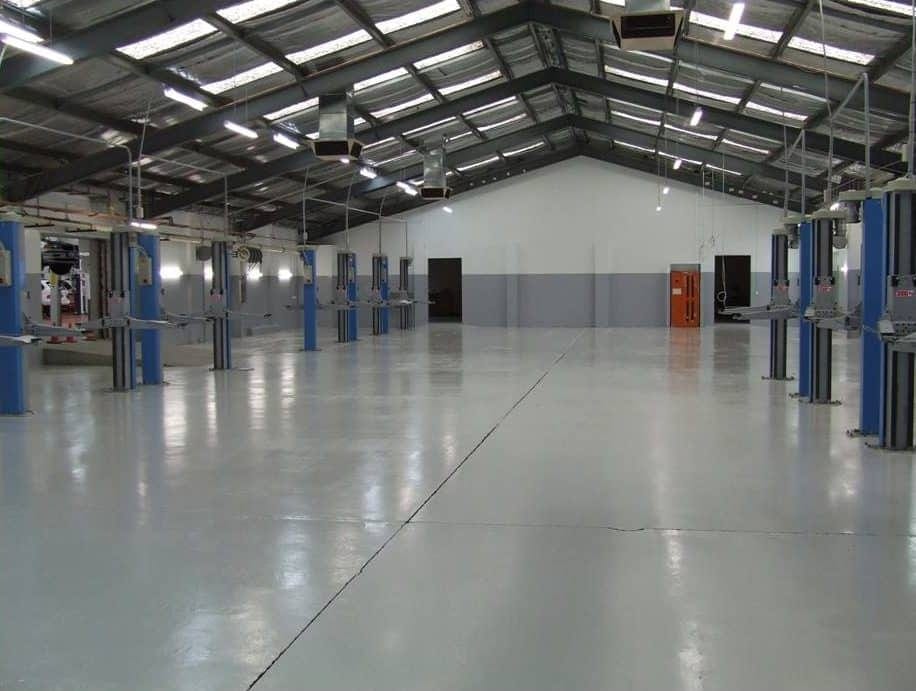
Commercial epoxy floor repair in Brooklyn is not about making a floor look shiny for a week. It is about fixing underlying problems so your warehouse, shop, or building lobby can take daily abuse without failing again.
Superior Epoxy New York focuses specifically on commercial environments in Brooklyn and greater New York City. That includes distribution centers near the Brooklyn waterfront, restaurant kitchens in Park Slope, auto shops in East New York, and retail spaces along Fulton Street. Each space has different traffic, chemicals, and cleaning routines, so we do not offer one standard repair. We inspect the slab, existing epoxy, and use patterns, then match the repair system to what your floor actually deals with.
We handle everything from isolated crack repairs in busy loading docks to full resurfacing of old epoxy that is peeling, chalking, or worn down to concrete. Our crews are used to working in tight time windows and around active operations, including night and weekend work when needed. The goal is simple: fix the weaknesses in your current epoxy system and leave you with a surface that is safer, easier to clean, and realistic for your budget and downtime limits.
How Commercial Epoxy Floor Repair Is Actually Done
A proper commercial epoxy floor repair is not just rolling on new coating over what failed. There is a clear sequence of steps we follow on Brooklyn projects:
1. Site walk and moisture testing. We walk the floor with you, mark problem zones, and check for hollow spots, debonding, and moisture vapor coming through the slab. Many older Brooklyn buildings have no vapor barrier under the concrete, which is a common cause of repeat coating failures.
2. Mechanical surface preparation. We do not use acid etching for commercial work. Instead, we mechanically profile the concrete using diamond grinding or shot blasting, depending on your building and desired finish. This removes weak epoxy, oils in the surface, and opens the pores of the concrete so the new system can bond.
3. Crack and joint repair. Structural cracks and active joints are treated differently. We chase and clean cracks, then fill them with flexible or rigid repair materials depending on movement and load. Control joints that need to remain functional are cleaned and refilled with semi-rigid joint filler so forklifts and pallet jacks do not chip the edges.
4. Patching pitted or damaged areas. Any divots, spalls, or surface erosion are rebuilt with epoxy mortar or polymer modified repair products. In supermarkets and industrial kitchens we often build up low spots that collect water, since standing water breaks coatings down over time and creates slip hazards.
5. Priming and overlay. Once the base is sound, we install an appropriate primer. For high moisture slabs we use moisture mitigation primers that can tolerate higher vapor drive, which is common in older Brooklyn basements and first floor spaces. From there, we add epoxy build coats or a full broadcast system, depending on the traffic and safety needs.
6. Topcoat selection and cure. The final layer is usually a polyurethane or polyaspartic topcoat for better chemical and UV resistance. In busy spaces we use faster curing materials so you can get back into operation within a realistic timeframe, often 24 to 48 hours for light use and 72 hours for full load in heavy duty areas.
Resurfacing Worn or Failing Commercial Epoxy Floors
When an existing commercial epoxy floor is heavily worn, patching alone is wasted money. In these cases, Superior Epoxy New York recommends resurfacing, which is essentially rebuilding the working surface of the floor.
On resurfacing projects, we remove as much of the failing epoxy as possible mechanically. This often means shot blasting large areas in warehouses and parking structures, or dust controlled grinding in retail and office settings where nearby tenants are sensitive to noise and dust. The goal is to reach solid, clean concrete or well bonded existing coating.
For heavily damaged slabs or where levelness is a problem, we install epoxy mortar systems. These are troweled or screeded blends of epoxy resin and graded aggregates that give the floor new thickness, improved impact resistance, and a smoother profile. In commercial kitchens, breweries, and food production spaces we often pitch the resurfaced floor toward floor drains to eliminate chronic puddling.
If your floor simply has widespread wear, light pitting, or visible traffic lanes, we may use a high build epoxy system with one or two broadcast layers of sand or colored quartz. This lets us rebuild the surface texture, improve slip resistance, and unify the appearance without adding as much thickness as a full mortar overlay. The resurfacing approach is based on how bad the current floor is, what you run across it daily, and how long you need it to last before a major renovation.
Material Options and Performance Choices for Commercial Spaces
Not every commercial epoxy floor repair uses the same resin or finish. The right choice depends on your industry, cleaning chemicals, and temperatures in the space.
In food service, commercial kitchens, and breweries, we prioritize thermal shock and chemical resistance. That often means high build epoxy systems paired with urethane or polyaspartic topcoats that can handle hot water washdowns, degreasers, and acids from food or cleaning products. We also build in aggressive slip resistance around dish stations and entry zones with higher aggregate load in the topcoat.
In retail and commercial lobbies in Brooklyn, appearance and cleaning ease matter as much as durability. Here we use more decorative options such as colored quartz or flake systems inside a clear epoxy matrix. The broadcast media not only improves traction, it also helps hide dirt and minor scuffs so the floor looks presentable between cleanings.
Warehouses, auto shops, and manufacturing spaces need impact and abrasion resistance more than fine aesthetics. For those, we specify thicker epoxy builds, possible epoxy mortar underlayment in impact zones, and semi-rigid joint fillers that can tolerate wheels and heavy loads. We also pay attention to forklift routes, loading dock transitions, and where pallets are typically dragged or dropped so we can reinforce those exact areas.
In Brooklyn, many commercial spaces are mixed use, such as a retail front with warehouse or prep behind it. Superior Epoxy New York often develops a zoned plan, using higher grade materials and more slip texture where needed, and more basic but tough systems in back of house areas to keep the total project cost realistic.
What Drives Cost and Downtime for Commercial Epoxy Floor Repair
Commercial epoxy floor repair and resurfacing costs in Brooklyn are driven less by square footage than by conditions and access. It is common for two spaces of the same size to have very different prices.
Main cost factors include:
• Surface preparation level. A slab covered in multiple layers of failing epoxy, tile mastic, or oil contamination needs far more grinding or shot blasting than a lightly worn coating. Old industrial spaces in Brooklyn often fall into the heavy prep category.
• Extent of crack and slab damage. Structural cracks, widespread spalling, settlement at column lines, and failed control joints add repair time and materials. These issues must be addressed or the new coating will fail in the same spots.
• System type and thickness. A simple prime and seal job is cheaper upfront but will not hold up to heavy forklifts, chemicals, or hot washdowns. Epoxy mortar resurfacers, moisture mitigating primers, and high performance topcoats cost more but also deliver longer service life.
• Scheduling constraints. Night work, weekend work, phased work around production, and projects in multi tenant Brooklyn buildings often involve more mobilizations and coordination. That adds some cost but protects your operations.
Downtime is usually tied to both prep complexity and cure times. For many commercial clients we plan work in phases, such as completing half a warehouse aisle system while the other half stays in use, then flipping sides. In offices and retail spaces we often work overnight so that the space can reopen the next day for foot traffic while heavy loads are delayed until the coating reaches full cure.
Planning, Timing, and What Brooklyn Clients Should Decide Before Hiring
For Brooklyn and New York City commercial properties, timing a commercial epoxy floor repair can make or break the project. Cold winters and humid summers both affect cure times and moisture conditions.
Indoor projects can be done year round, but for best results and more predictable schedules, spring and fall are ideal. In winter, unheated warehouses and loading docks may need temporary heat so the epoxy cures correctly, which adds cost and coordination. In humid summers, especially in ground floor or basement spaces, we pay close attention to slab moisture. If we skip that step, you are likely to see bubbling or peeling later.
Before you hire anyone, it helps to have clear answers to a few points:
• How long can each area realistically be out of service
• What vehicles, equipment, or carts will run on the floor, and how often
• What cleaning chemicals and methods your staff or contractor uses
• Whether there are planned layout changes, new machinery, or tenant changes coming in the next few years
Superior Epoxy New York uses this information to recommend an appropriate repair or resurfacing approach. We provide written scope descriptions that cover preparation methods, repair products, expected lifespan under your use, and maintenance suggestions. That way you can compare more than just price when choosing a commercial epoxy floor repair contractor in Brooklyn, and you know exactly what performance to expect once the floor is back in service.