Home › Epoxy Floor Maintenance Programs
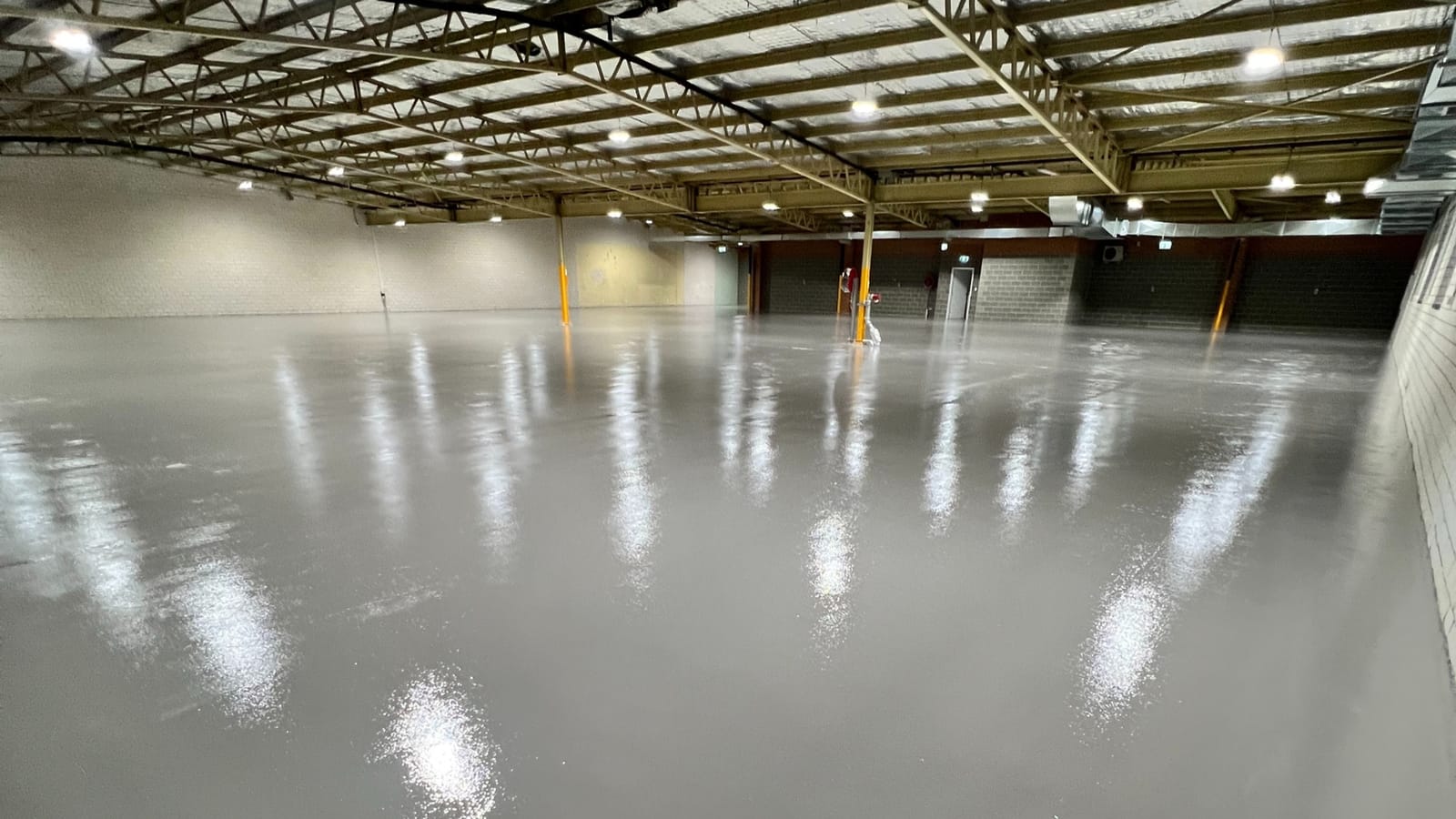
Superior Epoxy New York offers commercial epoxy floor maintenance in Brooklyn, NY through tailored service programs. We provide periodic cleaning, inspections, and scheduled recoating to keep your floors safe and looking professional. Our maintenance plans help extend coating life and reduce unexpected downtime from flooring failures.
Superior Epoxy New York provides professional commercial epoxy floor maintenance throughout Brooklyn, NY, New York and the surrounding area. Our licensed, insured crew delivers safe, clean, on-time work with a free estimate before anything begins. Call (332) 895-7100 or request your free quote.
Practical Epoxy Floor Maintenance Programs for Brooklyn Facilities
Commercial epoxy floors in Brooklyn take a beating. Forklifts in warehouses, carts and spills in restaurants, salt and slush in winter at lobby entrances, and constant foot traffic in retail spaces all wear on the coating. Superior Epoxy New York builds maintenance programs around the real conditions in your building, not a generic national template.
Our epoxy floor maintenance programs start with a site walk-through. We look at the age and type of coating, the concrete underneath, traffic patterns, cleaning chemicals used by your staff, and problem spots like loading docks or kitchen entries. From there we map the floor into zones, since a stockroom will not need the same attention as a front-of-house area. Each zone gets its own maintenance schedule, tasks, and inspection checklist.
Instead of reactively fixing failures, we set up a predictable plan: routine cleaning procedures, scheduled inspections, touch up and re-top cycles, and clear guidelines your in-house team can follow day to day. The goal is simple. Keep your epoxy floor safe, presentable, and compliant, and delay expensive full re-coats as long as possible.
What Is Included in a Commercial Epoxy Floor Maintenance Plan
A maintenance program from Superior Epoxy New York is broken into specific, repeatable steps so you know exactly what you are paying for.
1) Baseline survey and report. We document current floor condition with photos and notes: gloss level, slip resistance readings where applicable, visible cracks, hot tire pickup in garages, and any lifting around drains or expansion joints. You receive a written baseline so future changes are measurable, not guesswork.
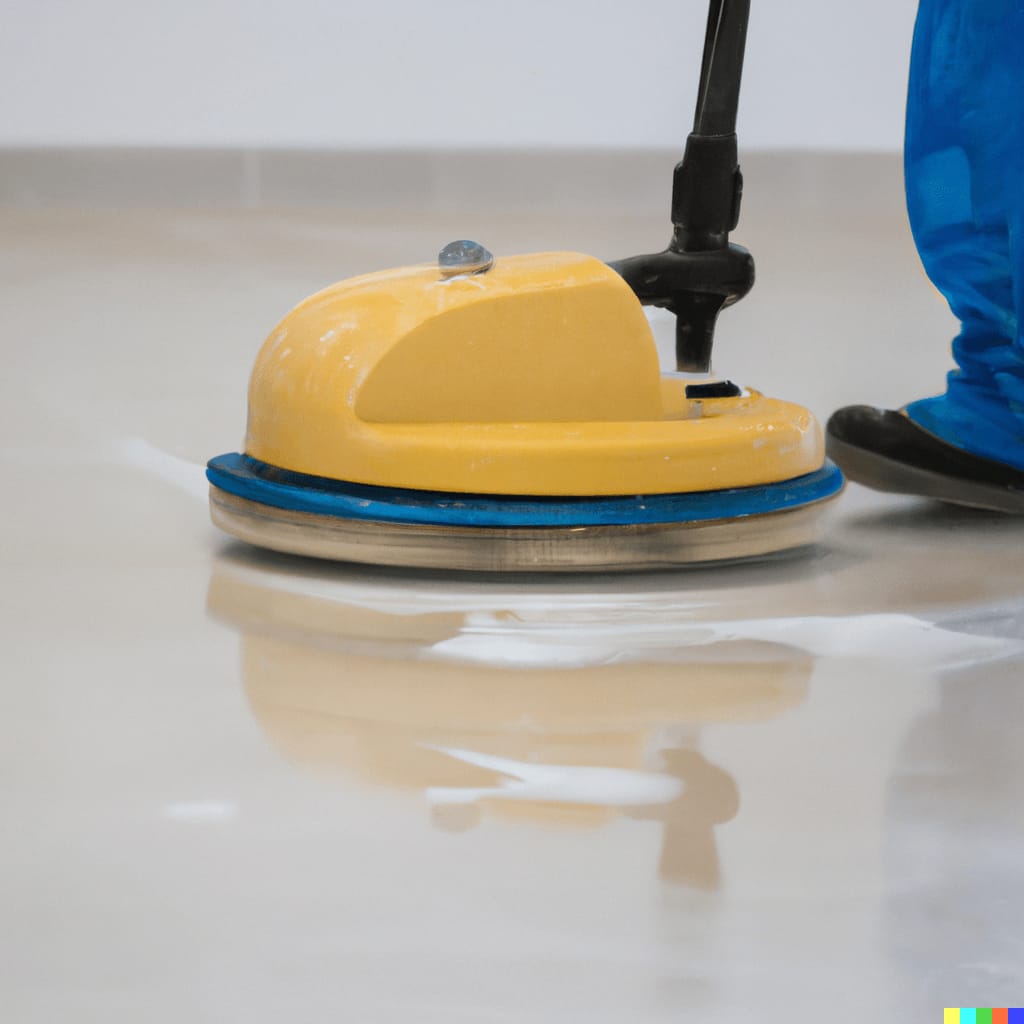
2) Customized cleaning protocol. We specify which cleaning agents are safe for your particular epoxy system and what equipment to use. For example, we often recommend autoscrubbers with soft to medium pads for large Brooklyn warehouses, and mop plus squeegee for smaller kitchens or salons. We spell out dilution ratios, dwell time for degreasers, and water temperature limits so the coating does not soften.
3) Scheduled inspections. Depending on traffic, we inspect quarterly, twice a year, or annually. During inspections we check for wear-through in traffic lanes, staining, loss of gloss, micro cracking, and chemical attack, especially in food service or manufacturing facilities. You get a short written report after each visit with clear action items.
4) Preventive touch ups. We repair small chips, scratches, and edge damage before they spread. This can include light sanding and re-sealing, patching localized impact areas with compatible epoxy, and re-striping safety markings.
5) Periodic re-top or recoat. When the clear topcoat or colored epoxy is nearing the end of its life, we schedule a controlled re-top in phases, often by zone and often after hours or on weekends so your operation stays open.
How We Actually Maintain and Restore Epoxy Floors
In practice, commercial epoxy floor maintenance involves more than just mopping and reapplying a clear coat. Superior Epoxy New York follows a defined technical process so repairs bond correctly and hold up in Brooklyn conditions.
For light wear, we start with mechanical cleaning using an autoscrubber or low-speed floor machine and a neutral cleaner, then rinse with clean water. Once the floor is fully dry, we degloss worn areas with a screen or sanding pad. This creates a profile for new topcoat to adhere to without cutting through the original system.
For damage that reaches the concrete, we grind out loose material, vacuum dust with HEPA filtration, then prime the exposed concrete. Patches are filled with compatible epoxy mortar or slurry chosen to match the hardness of your existing system. We feather the edges so there is no trip point and then apply color and topcoat to blend in.
In greasy or food prep areas, we use a stronger degreasing process before any coating work. Oil or animal fat can sit in the surface and cause new epoxy to fisheye or peel. We use industrial degreasers, hot water where appropriate, and repeated rinses, then allow extra dry time. Moisture readings are taken before we recoat, which is especially important in older Brooklyn basements or ground-level spaces above active steam lines.
For slip resistance, we can reintroduce or increase traction by broadcasting fine aggregate into new topcoat in key zones like sloped ramps, dishwashing areas, or entries exposed to winter slush. We select grit size that balances safety with cleanability so your custodial team can still maintain the surface efficiently.
Common Local Problems and How Our Programs Prevent Them
Certain problems show up again and again on Brooklyn commercial epoxy floors. Our maintenance programs are designed around these local patterns so you are not paying to fix the same issue every year.
Winter salt and freeze-thaw. In lobbies, parking garages, and loading docks, de-icing salts carried in on tires and boots can dull and pit epoxy over time. We address this with specified winter cleaning frequencies, compatible neutralizing cleaners, and more frequent inspections from December through March. When needed, we schedule a spring re-top in those affected zones.
Hot tire pickup in garages. Commercial and mixed-use garages often see epoxy lifting in tire paths. We monitor these routes closely. If we see early stages of softening, we can apply a more heat-resistant topcoat in those lanes before failure spreads.
Chemical and food staining. Brooklyn food production, commercial kitchens, and breweries deal with acids, sugars, and oils that can stain or soften coatings. Our plans identify spill-prone areas and specify immediate cleanup procedures, secondary containment where possible, and topcoats that are better suited to your actual chemicals instead of generic "chemical resistant" claims.
Moisture and vapor issues. Older Brooklyn buildings often have concrete slabs without vapor barriers. We check for efflorescence, dark spots, or blistering and may recommend localized moisture mitigation or different maintenance intervals. Addressing small blisters or hollow-sounding spots early avoids major delamination and shutdowns later.
What Drives the Cost of Epoxy Floor Maintenance Programs
Superior Epoxy New York prices commercial epoxy floor maintenance based on real factors you can see and understand, not vague square foot numbers alone.
Primary cost drivers include:
• Total square footage and layout. Wide open warehouses cost less per square foot to maintain than cut-up retail spaces with many fixtures. Tight corridors, stairs, and narrow back-of-house areas require more hand work and detail time.
• Traffic type and intensity. A light use office corridor might only need an annual inspection and infrequent topcoat. A 24/7 food distribution facility with pallet jacks and frequent spills will need more frequent service, higher performance materials, and more time on degreasing.
• Chemistry in contact with the floor. Facilities using strong solvents, animal fats, brewing acids, or hot oils require upgraded topcoats and stricter surface prep, which increases both labor and materials.
• Scheduling constraints. Night or weekend work in busy Brooklyn venues, multi-phase shutdowns in hospitals or labs, and accelerated turnarounds all affect labor costs. We will show you alternate scheduling options so you can weigh cost versus disruption.
During our proposal, we separate initial restoration costs (if your floor needs catch-up work) from ongoing program costs. You will see what is one-time and what recurs, along with optional upgrades like enhanced slip resistance or color refresh of safety markings.
How Superior Epoxy New York Works With Your In-House Team
The best epoxy floor maintenance programs combine our technical work with consistent daily care by your staff. Superior Epoxy New York sets up that partnership from the start.
At program kickoff, we meet with your facilities or janitorial team, walk the floor, and review simple daily and weekly tasks. This usually includes prompt spill cleanup procedures, correct mop water and cleaner use, pad choice for autoscrubbers, and what types of pads or brushes to avoid. We leave a one-page quick reference sheet that can be posted in your janitor closet.
We also define damage reporting rules. For example, staff should call us if they see any lifted edges, new cracks at drains, areas that remain damp, or unusual discoloration after a spill. Catching these issues early often keeps the fix to a small patch or spot recoat instead of a full section.
For multi-tenant buildings in Brooklyn, such as mixed-use properties or shared commercial kitchens, we can provide simple guidelines for tenants so they understand what they can and cannot use on the floors. This reduces accidental damage from harsh cleaners or dragged equipment.
Throughout the program, you will have a single point of contact at Superior Epoxy New York who knows your facility, understands your operating hours, and can plan maintenance visits with minimal disruption to your staff and customers.