Home › Restaurant and Commercial Kitchen Epoxy
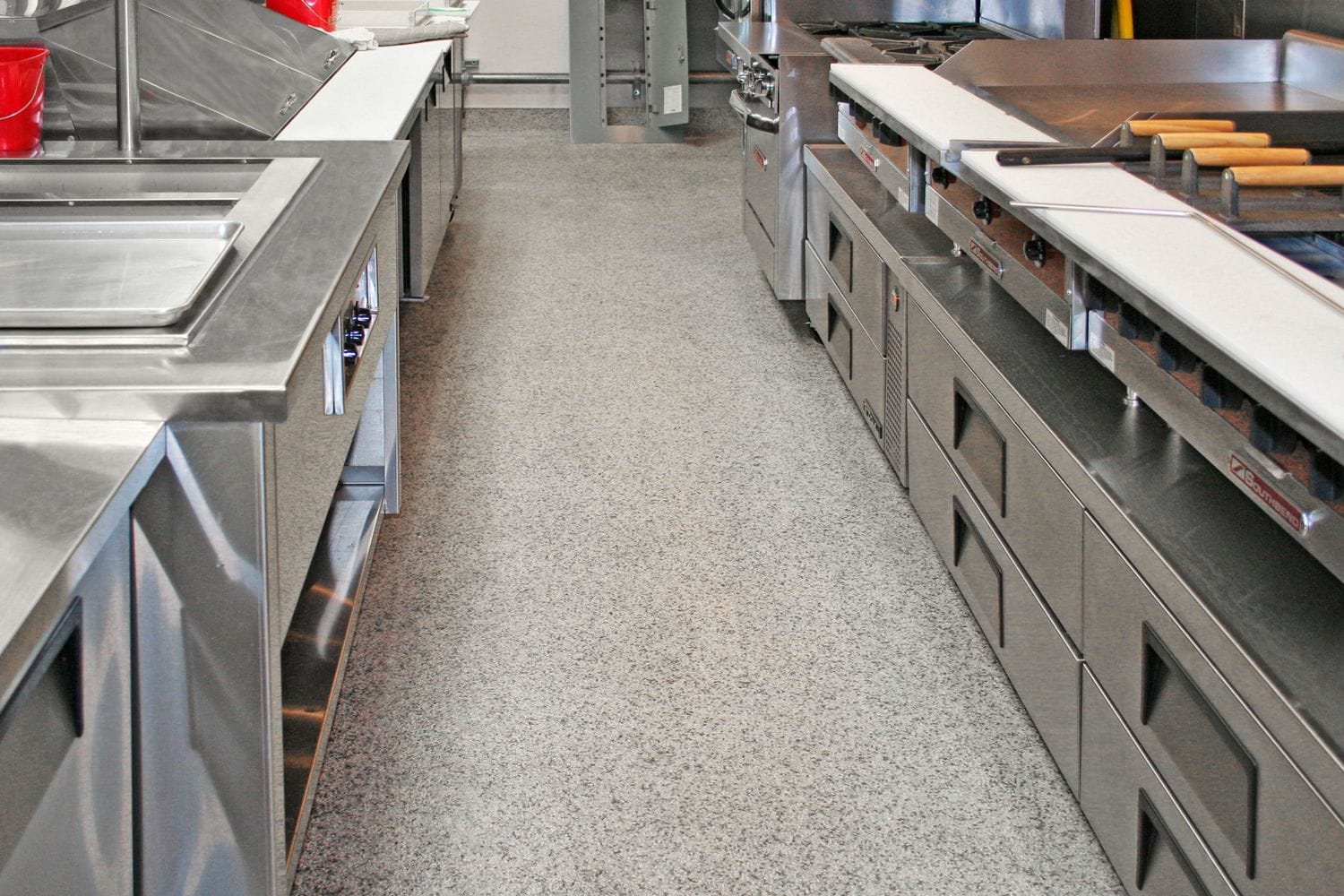
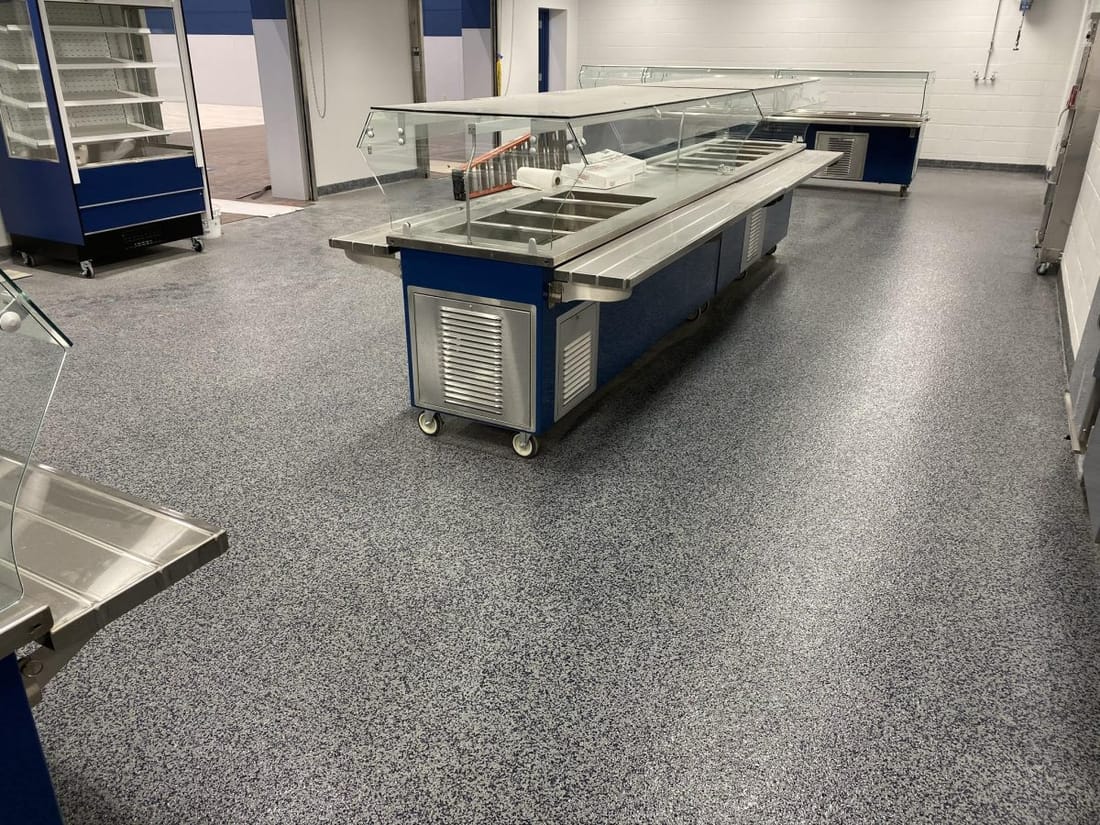
Superior Epoxy New York installs commercial kitchen epoxy flooring in Brooklyn, NY restaurants, cafeterias, and food service facilities. Our food grade systems create a seamless, non porous surface that is easy to clean and helps with hygiene. With built in slip resistance and cove bases, we design kitchen floors that stand up to hot spills, grease, and constant traffic.
Superior Epoxy New York provides professional commercial kitchen epoxy flooring throughout Brooklyn, NY, New York and the surrounding area. Our licensed, insured crew delivers safe, clean, on-time work with a free estimate before anything begins. Call (332) 895-7100 or request your free quote.
Durable commercial kitchen epoxy flooring for Brooklyn restaurants
In a New York City kitchen, the floor takes a beating. Hot oil pops out of fryers, dish pits overflow, deliveries roll in on heavy carts, and staff move fast for long shifts. Superior Epoxy New York designs commercial kitchen epoxy flooring systems built specifically for Brooklyn restaurants, bakeries, delis, catering kitchens, and commissary spaces.
We understand the local building stock and health codes, from landmarked brownstone mixed use buildings in Park Slope to warehouse kitchens in Bushwick and industrial spaces in Sunset Park. Our epoxy and urethane cement systems are selected to handle constant moisture, thermal shock from hot water and steam cleaning, daily degreasing, and nonstop foot traffic. We build floors that pass inspections, clean quickly at closing time, and hold up in a real Brooklyn workday, not just on paper.
How we install commercial kitchen epoxy flooring in active NYC kitchens
Commercial kitchen work in the city has to be planned around deliveries, staff schedules, and inspections. We start with a site visit at your Brooklyn location to review your service layout, drains, floor slopes, and existing coatings or tile. We measure moisture in the slab, look for hollow spots in old tile, and inspect cove bases and wall conditions. This lets us decide if we are removing tile, grinding old epoxy, or installing a full resurfacing system.
Next, we mechanically prepare the concrete using industrial grinders and shot blasting machines. In older Brooklyn buildings, we often find patchwork concrete and previous repairs. We remove loose sections, cut out failed patches, and rebuild low spots with fast cure repair mortar so the floor drains correctly. We protect drains, floor sinks, and stainless bases with masking and plugs so debris never enters your plumbing.
Once the surface is clean and profiled, we apply a moisture tolerant primer, especially important for basement kitchens in Brooklyn where hydrostatic pressure can be an issue. After priming, we install the main epoxy or urethane cement body coat at the thickness needed for your traffic and thermal shock exposure. In dish rooms, cook lines, and pot wash areas we often use heavier build urethane cement broadcast with quartz aggregate for non slip texture and impact resistance.
Finally, we apply a high performance topcoat that is chemical resistant and compatible with your cleaning products and sanitizers. We clearly communicate cure times so you know exactly when staff can walk on the floor, when equipment can roll back in, and when hot washdowns can restart. For many restaurant kitchens we phase the work in sections so you can keep some operations running.
Material options that meet NYC health and safety expectations
Not every epoxy system is safe for a hot, wet restaurant environment. Superior Epoxy New York focuses on systems that stand up to daily commercial kitchen realities while satisfying city and state requirements for cleanable, non absorbent, non slip floors.
For back of house areas that see constant hot water, grease, and cleaning chemicals, we usually recommend urethane cement flooring with an epoxy or polyaspartic topcoat. Urethane cement handles thermal shock better than standard epoxy, which is important when your team is dumping boiling water or using very hot pressure washers. It also bonds very well to properly prepared concrete, which reduces the risk of peeling in older Brooklyn slabs.
We can adjust texture with different broadcast aggregates. For steep dish room ramps, walk in freezer thresholds, and sloped areas around floor sinks we use a coarser quartz blend to improve traction. For flatter prep areas where staff are standing for long periods, we use a medium profile finish that is easier on feet but still slip resistant when wet. We discuss where your heaviest traffic flows and where slips are most likely to happen so we can tune the texture zone by zone.
Color selection is not just cosmetic. Many Brooklyn restaurateurs choose medium gray or tan for the main kitchen, with a darker color defining cook lines and a lighter band near walkways and exits to help staff see transitions. We can also integrate safety striping at step downs, around floor hatches, and at walk in thresholds so new staff and inspectors can immediately read the space.
Common kitchen floor problems we fix in Brooklyn buildings
Older restaurant and commercial kitchen spaces in New York often come with a mix of cracked quarry tile, loose patches, and ponding water that never reaches the drain. These issues are more than cosmetic, they create health code violations, trip hazards, and ongoing sanitation problems.
Superior Epoxy New York frequently replaces failing tile floors that have dirty grout lines or missing pieces. After tile demo, we remove old thinset and inspect the slab for pitch. If water has been running toward walls or pooling under equipment, we correct the slope with repair mortar before installing a new commercial kitchen epoxy flooring system. This step is critical in basements and long narrow kitchens that are common in Brooklyn brownstone buildings.
Another common issue is delaminated or bubbling epoxy from previous low cost installations. This often comes from poor surface prep, ignored moisture problems, or using residential grade products in a commercial kitchen. We do pull tests and moisture readings to see if any areas can be saved or if full removal is necessary. Where moisture is high, we use vapor mitigating primers and in some cases recommend urethane cement instead of traditional epoxy to better tolerate damp conditions.
We also address damaged or missing cove bases where the floor should curve up the wall. Health inspectors expect a smooth, cleanable transition so grease and debris cannot collect in corners. We rebuild epoxy or urethane cement coves to create a seamless pan effect, which makes nightly hosing and scrubbing faster and more effective.
What affects the cost of commercial kitchen epoxy flooring
Every Brooklyn kitchen is different, so costs can vary widely. During your estimate, we explain what is driving the number so you can decide where to invest and where to stay basic.
The first major factor is surface condition and demolition. Removing thick quarry tile and hauling debris from a third floor or basement kitchen in New York adds labor, elevator or stair time, and disposal fees. If the existing floor is bare concrete in good shape, and only needs grinding, your cost per square foot will be lower.
Thickness and system type are also important. A basic thin mil epoxy with light texture may be less expensive initially, but for heavy production kitchens we usually recommend a thicker urethane cement base with quartz broadcast. It costs more upfront but reduces the risk of early failure, especially in dish rooms, cook lines, and near combi ovens where temperatures swing fast.
Access and schedule have a real impact in the city. Working overnight, coordinating with neighboring businesses in a shared building, or splitting the project into multiple phases so you can stay open can add some cost, but it is often cheaper than losing multiple full days of service. We also factor in the number of drains, slopes, and cove lineal feet, since those details take extra time and material.
We always provide a written proposal that breaks out prep, materials, and optional upgrades like extra thick build in high abuse zones or additional topcoat layers for chemical resistance. That transparency helps Brooklyn owners and chefs make decisions that match their budget and long term plans for the space.
Planning around your Brooklyn restaurant operations
Closing a kitchen in New York, even for a day, affects staff, reservations, and regulars. Superior Epoxy New York works with you to schedule installation in a way that respects your peak times and landlord rules.
During the planning phase, we review your service schedule, delivery windows, and any building quiet hours. Many Brooklyn restaurants prefer a Sunday night start so we can finish the bulk of the work while you are closed or slow. For commissary or catering kitchens that run nearly 24 hours, we can plan sectional work, isolating part of the space while you continue limited production in another zone.
We clearly outline cure times so there are no surprises. Typical systems allow light foot traffic within 12 to 24 hours and full use, including wheeled carts and equipment, within 24 to 72 hours depending on product and temperature. We help you plan when to shut down dish machines, when to move refrigeration, and when staff can safely return to full cleaning routines.
We also coordinate with your GC, plumber, or equipment vendor when needed. If you are relocating lines, adding new floor sinks, or replacing hood systems at the same time, it is important to sequence floor work correctly so penetrations and anchor points are finished before final topcoats go down.
Why Brooklyn kitchens choose Superior Epoxy New York
A commercial kitchen floor is a working tool, not just a finish. Brooklyn owners, chefs, and facility managers choose Superior Epoxy New York because we focus on how the floor will perform during a Friday night rush, a deep clean before inspection, and over years of staff turnover.
We live and work in New York, so we understand local inspectors, landlord requirements, and the realities of operating in older mixed use buildings. Our team is trained on the chemistry of epoxy and urethane cement systems, not just basic installation techniques, which lets us select products that match your specific cleaning regimen, heat exposure, and traffic load.
Our process includes detailed job documentation, from moisture readings and prep methods to product data sheets, so you have records on file for future inspections, insurance questions, or expansion plans. We stand behind our work and are available for periodic inspections or touch ups if your kitchen layout changes or heavy equipment gets moved.
If you are planning a new buildout or need to replace a failing kitchen floor in Brooklyn, Superior Epoxy New York can walk you through realistic timelines, material choices, and costs. The goal is a commercial kitchen epoxy flooring system that lets your team focus on food and service, not on puddles, chipped tile, or peeling coatings.