Home › Industrial and Warehouse Epoxy Flooring
Superior Epoxy New York installs industrial epoxy floor coating in Brooklyn, NY warehouses, distribution centers, and manufacturing plants. Our systems are engineered for forklift traffic, impact, and chemicals, helping to protect your slab and support safety. We design coatings around your industry requirements, including high build and non slip options for demanding environments.
Superior Epoxy New York provides professional industrial epoxy floor coating throughout Brooklyn, NY, New York and the surrounding area. Our licensed, insured crew delivers safe, clean, on-time work with a free estimate before anything begins. Call (332) 895-7100 or request your free quote.
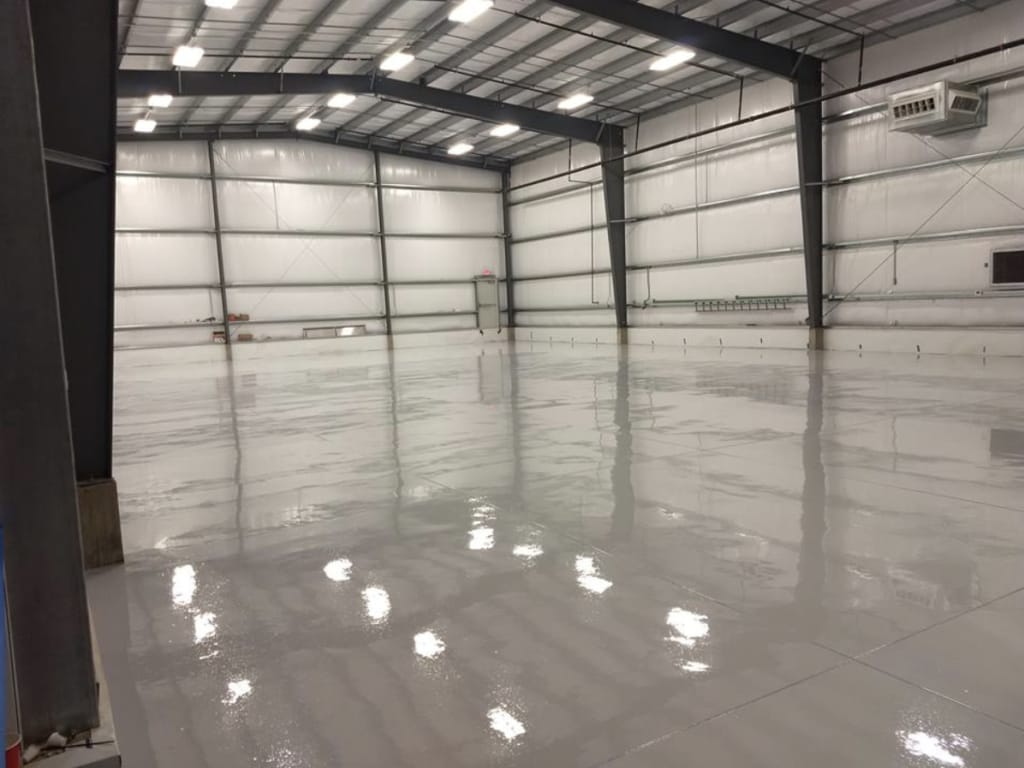
Industrial Epoxy Floor Coating for Brooklyn Facilities
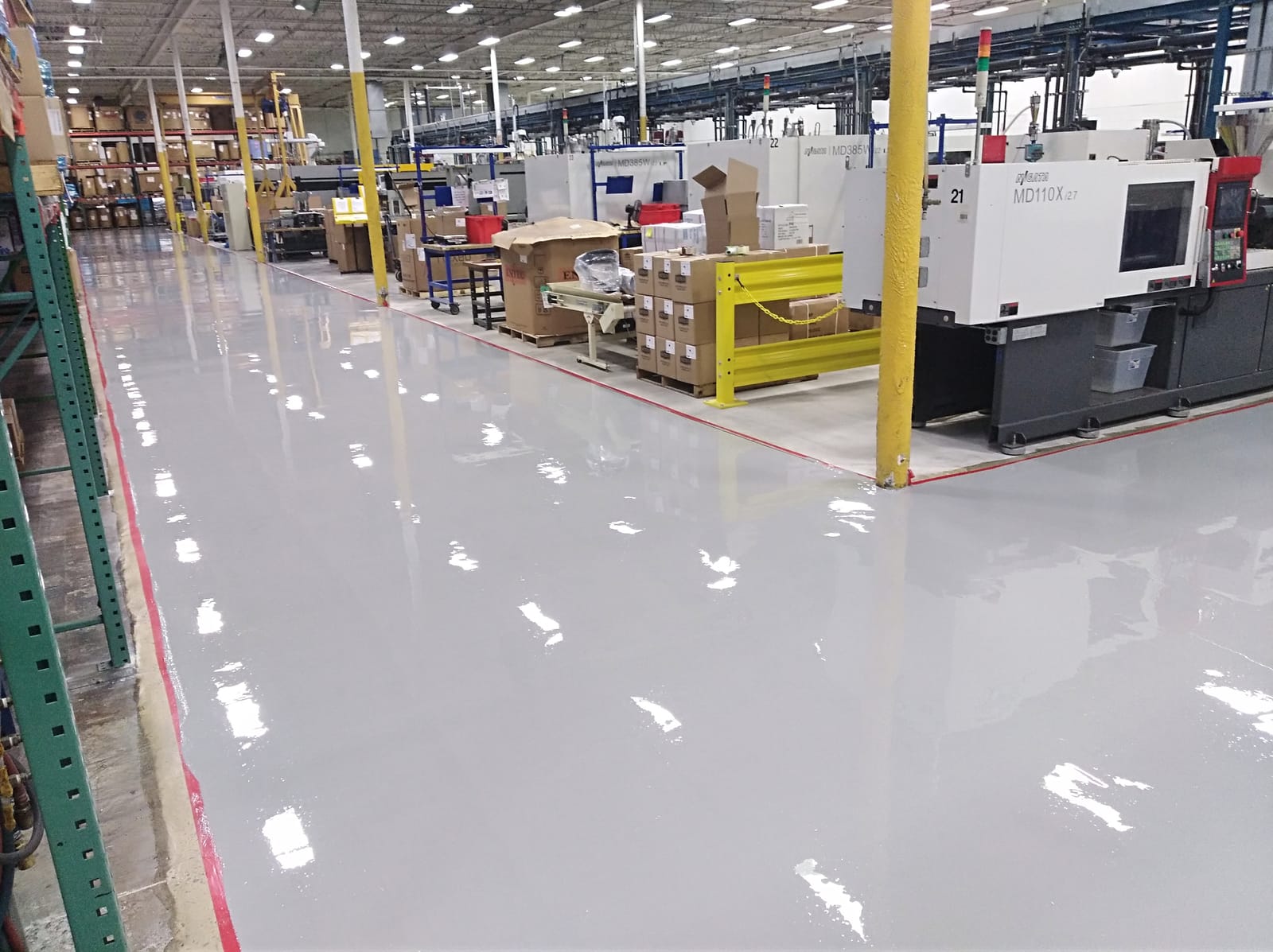
Industrial and warehouse epoxy flooring in Brooklyn is less about shiny showroom looks and more about floors that can take daily abuse without failing. At Superior Epoxy New York, we design each industrial epoxy floor coating around how your specific facility actually runs: forklift traffic, pallet jacks, chemical exposure, cold storage, food handling, or light manufacturing.
Many Brooklyn industrial buildings were built before 1960, with concrete that has seen decades of patching and oil spills. That older slab needs different prep than a new warehouse in East New York or Sunset Park. We test your concrete for moisture vapor, hardness, and contaminants, then choose products and prep methods that match those conditions so the coating does not peel in six months.
Our focus is to create a floor that stays bonded, is easy to clean, and meets safety and compliance needs. We work in active warehouses, distribution hubs, small fabrication shops, and multi-tenant industrial buildings. Scheduling, dust control, and sectioning work zones are all planned so you can keep operating while we upgrade your floor.
How We Install Industrial Epoxy Floor Coating (Step by Step)
A durable industrial epoxy floor starts with surface prep, not the topcoat. On most Brooklyn projects we begin with mechanical grinding using planetary diamond grinders connected to HEPA vacuums to control dust. For heavy contamination or uneven slabs, we may shot blast instead, which creates a rough, clean profile that epoxy can grip. Any oil-saturated areas are degreased and, if needed, the top layer of concrete is removed so the contamination does not bleed into the new coating.
Cracks, control joints, and spalls are then repaired with industrial epoxy or polyurea fillers. In older waterfront or former manufacturing buildings, we often see movement cracks. Those get routed and filled in a way that allows some minor movement without telegraphing through the finished coating. We also honor working joints rather than trying to hide them, which reduces chances of random cracking later.
Next, we apply a penetrating epoxy primer that soaks into the slab and locks down dust. In high moisture areas, such as ground-level spaces in Gowanus or Red Hook, we use vapor-tolerant primers designed to handle elevated moisture levels. This is critical in Brooklyn, where groundwater and older foundations often lead to vapor issues.
After priming comes the build coats of industrial epoxy. For warehouses with forklifts and rack loads, we install multiple coats to reach a thicker, more impact resistant system, usually 30 to 80 mils total, depending on use. For slip resistance, we broadcast graded aggregates like aluminum oxide or quartz into the wet epoxy, then topcoat it so you get traction without a sandpaper feel.
Finally, we apply a topcoat that fits your environment. In many industrial settings we use a high solids polyaspartic or urethane topcoat that resists chemicals, UV, and black tire marks. This layer also sets the gloss level, from matte to high gloss, and can include safety colors or line striping. We then allow proper cure time, typically light foot traffic in 24 hours and forklift traffic in 72 hours, adjusted for temperature and product specs.
Material and Design Options for Industrial and Warehouse Floors
Industrial epoxy floor coating is not one product. There are different systems for different Brooklyn facilities, and choosing the wrong one causes failures. Superior Epoxy New York walks you through realistic options based on your traffic, chemicals, and cleaning methods.
For heavy warehouses and logistics centers, we often recommend a high build, 100 percent solids epoxy system with a urethane or polyaspartic topcoat. This handles forklift traffic, pallet drag, and frequent turning wheels that can twist weaker floors apart. Where impact from dropped tools or parts is common, we may add a flexible intermediate layer to help absorb shock and reduce chipping at stress points like loading zones.
If your operation deals with chemicals, oils, or cleaning agents, we match the resin to your specific exposures. Food distribution, commercial kitchens, or beverage operations might need systems that resist animal fats, acids, and frequent hot water wash downs. Light manufacturing could need resistance to coolants or solvents. We can provide chemical resistance charts and match products to your SDS sheets so you know what the floor can handle.
For cold storage or areas with freeze and thaw cycles at loading docks, we pay attention to thermal shock. Standard epoxy can crack or debond when hit with hot wash water on a cold slab. In these cases, we can install urethane cement or hybrid systems in critical zones, which handle rapid temperature swings far better.
Aesthetics still matter, even in industrial settings. We can install solid color floors, safety color borders, or integrate line striping, forklift paths, and labeled staging zones into the coating itself. Vinyl chips or quartz blends can add texture and hide dirt, useful in high traffic warehouses that cannot be mopped constantly. We also offer varying levels of slip resistance so areas around loading docks, wash bays, and entry points stay safer when wet.
Cost Drivers and What Brooklyn Owners Should Plan For
Pricing for industrial epoxy floor coating in Brooklyn is very site specific. The two biggest cost drivers are surface condition and system thickness. A clean, sound, relatively flat slab in a newer Bushwick or East New York warehouse is quicker to prepare than a heavily patched, oil soaked floor in an older manufacturing building in Sunset Park or Greenpoint.
Heavy mechanical prep, extensive crack repair, or removal of existing coatings and tile all add cost and time. If your floor has multiple layers of old paint, mastics, or delaminated epoxy, we need more grinding or shot blasting passes. That adds labor and disposal costs but is necessary to prevent the new coating from peeling with the old.
System thickness and performance requirements also affect price. A light duty coating for occasional pallet jack traffic can be thinner and lower cost. A floor designed for continuous forklift use, loaded racking, or frequent chemical exposure needs more build coats, aggregates, and high performance topcoats. The upfront cost is higher, but you avoid early failure and downtime later.
Operational constraints in Brooklyn matter too. Working nights, weekends, or in tight phases to keep part of your warehouse open can increase costs, since our crews and equipment have to mobilize more often. On the other hand, if you can give us the whole space for a few days, we can move faster and more efficiently.
When we quote, Superior Epoxy New York breaks down what you are paying for: prep steps, repair work, number of coats, type of resin, and topcoat. We can offer a couple of system options so you can weigh initial cost against expected service life, usually 8 to 15 years for a properly specified industrial system with regular maintenance.
Common Problems, Local Challenges, and How We Prevent Failures
Industrial epoxy floors usually fail for predictable reasons: poor prep, moisture, wrong product for the environment, or rushed cure times. In Brooklyn, moisture coming through older slabs is one of the biggest issues. We routinely perform moisture tests before recommending a system. If readings are high, we specify moisture mitigation primers or, in extreme cases, recommend slab repairs before coating. Skipping this step often leads to bubbling and peeling in the first year.
Another common problem in local warehouses and factories is contamination from old oils, cutting fluids, and chemicals that have soaked into the concrete. If you just clean the surface and coat, those contaminants can migrate back up and break the bond. We handle this with a mix of deep degreasing, mechanical removal of the top layer of concrete, and sometimes special primers that tolerate minimal residual contamination. We always test suspect areas instead of guessing.
Heavy point loads from racking and repeated forklift turning in the same spots can cause chipping if the floor is too thin or the concrete beneath is weak. To prevent this, Superior Epoxy New York assesses rack layouts and travel patterns, then reinforces known stress zones with thicker builds or different materials. We also advise on protective measures like column base plates or steel wear plates in abusive areas.
Finally, timing and cure are critical. Brooklyn operations are often on a tight schedule, but putting forklifts or pallet jacks on the floor too early will cause permanent damage. We provide a written cure schedule, and we coordinate with your team so move-in, restocking, and production restart do not happen until the floor can actually handle it.
If you are considering an industrial epoxy floor coating project, it helps to have recent photos of your floor, a rough idea of square footage, and a list of the chemicals and equipment used in the space. With that information, Superior Epoxy New York can give you a realistic plan, from prep through long-term maintenance, that fits Brooklyn building conditions and your actual operations.