Home › Epoxy Floor Repair and Resurfacing
Superior Epoxy New York provides epoxy floor repair in Brooklyn, NY to restore damaged or worn residential surfaces. We address peeling coatings, cracks, and divots with professional surface prep and high quality materials. Our resurfacing solutions give your floors a fresh start with improved durability and appearance so you can enjoy like new epoxy without full replacement.
Superior Epoxy New York provides professional epoxy floor repair throughout Brooklyn, NY, New York and the surrounding area. Our licensed, insured crew delivers safe, clean, on-time work with a free estimate before anything begins. Call (332) 895-7100 or request your free quote.
Targeted Epoxy Floor Repair for Brooklyn Properties
Epoxy floor repair is not one-size-fits-all, especially in Brooklyn where concrete slabs, building ages, and usage vary from block to block. At Superior Epoxy New York, we look at how the floor is actually being used before recommending a fix. A deli on Flatbush Avenue with constant cart traffic needs a different repair approach than a Bushwick art studio or a Bay Ridge residential garage.
The first step is a detailed inspection. We check for delamination (where epoxy has lifted from the concrete), spider cracks, impact chips, blistering from moisture vapor, and UV discoloration near doors or windows. We also look at the concrete itself: past coatings, oil saturation, high or low spots, hairline structural cracking, and expansion joint condition. For ground-level Brooklyn spaces, moisture readings are crucial, especially in older mixed-use buildings and basements.
Once we understand the cause of the failure, we choose the right repair method. Hairline cracks might only need routing and filling with a low-viscosity epoxy, while larger damaged areas can require cutting out loose sections, patching with epoxy mortar, and then tying that patch seamlessly back into the surrounding coating. Our goal is to fix the underlying issue, not just mask defects with another shiny layer that will fail again.
How Professional Epoxy Floor Repair and Resurfacing Is Done
Superior Epoxy New York follows a structured repair and resurfacing process that is adapted to Brooklyn building conditions and schedules.
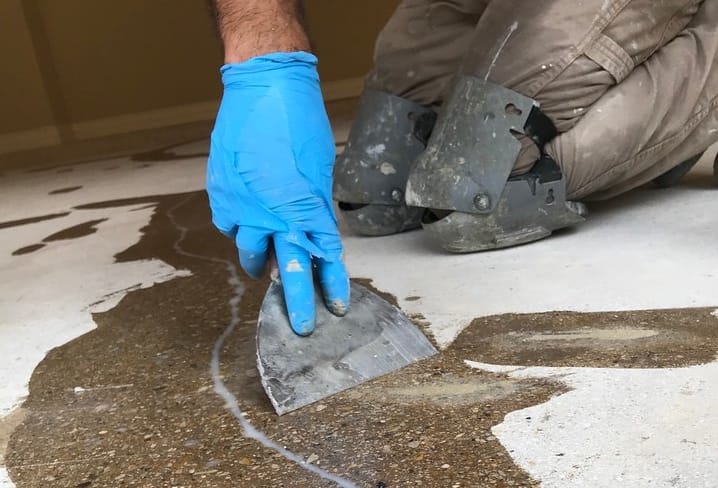
1) Mechanical surface prep: We use commercial grinders with dust control to remove failing epoxy, paint, and contaminants. This exposes sound concrete and creates the right profile for adhesion. In tight Brooklyn basements or upper floors, we use smaller grinders and hand tools that can fit through stairwells and narrow halls.
2) Crack and joint repair: We open cracks with a V-groove or chase cut so that repair resins can penetrate fully. For moving cracks, we may recommend flexible joint materials instead of rigid epoxy, particularly in buildings that experience vibration from the subway or heavy truck traffic. Control joints that were previously filled incorrectly are cleaned out and refilled with appropriate materials.
3) Concrete patching and leveling: Spalled areas, pits from years of salt and water, and divots are rebuilt with epoxy or polymer-modified repair mortars. If the slab is badly worn or uneven, we install a resurfacing layer that brings the floor back to a flat, level surface before re-coating. This is common in older warehouses converted to workspaces in areas like Red Hook or Gowanus.
4) Moisture mitigation (if needed): If tests show elevated moisture vapor emissions, we install a moisture mitigation primer designed for epoxy systems. Skipping this step is what causes many DIY epoxy floors to bubble or peel in Brooklyn basements.
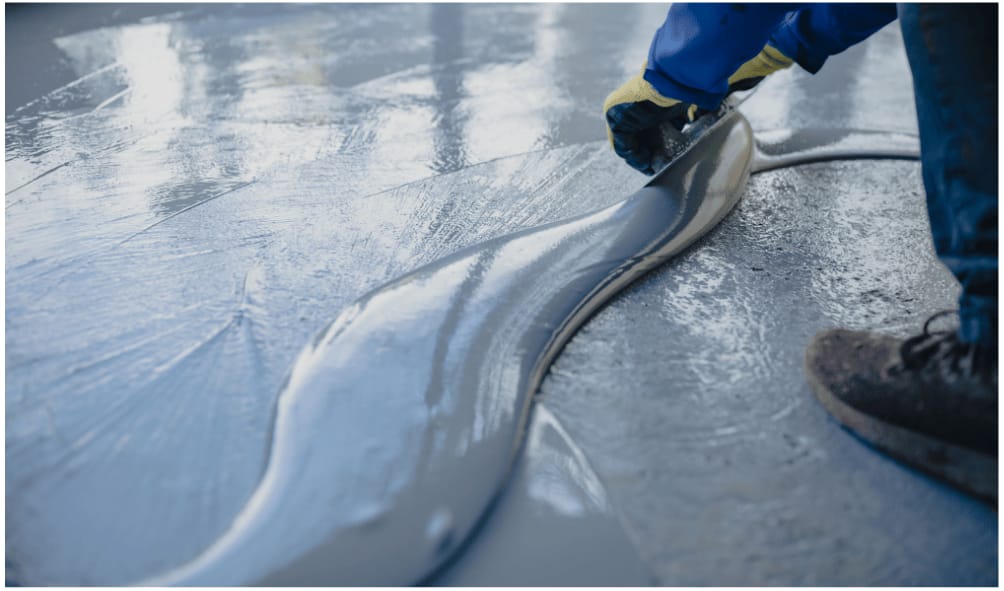
5) New coating or overlay application: Once the substrate is prepared, we apply the selected epoxy system, usually in multiple coats. This can be a solid-color high-build epoxy, a flake system for added slip resistance, or a thicker mortar system for industrial settings.
6) Curing and return to service planning: We schedule work so cure times fit your business or household. For many commercial clients, we work off-hours or in phases so that only part of the space is offline at a time.
Material Choices and Design Options When Resurfacing Your Epoxy Floor
Repair and resurfacing is a chance to upgrade performance, not just fix damage. Superior Epoxy New York walks you through specific coating and texture options that make sense for Brooklyn conditions.
Solid-color epoxy systems are common for garages, utility rooms, and small shops. They are straightforward to repair in the future and available in light colors that brighten windowless basements. For commercial kitchens, bar areas, or food prep, we often recommend a thicker epoxy or urethane mortar system with a textured topcoat to handle grease, hot water, and heavy cleaning.
Decorative flake systems are popular in Brooklyn auto shops and residential garages, because flake helps mask minor future wear and makes the surface more forgiving visually. We can adjust flake size and density to control slip resistance and cleanability. For showrooms and lobbies, we can apply metallic epoxy finishes, but only where the substrate is stable enough and maintenance expectations are realistic.
If your building sees big temperature swings, like an unheated warehouse in winter and hot in summer, we may add a UV-stable polyaspartic or urethane topcoat. This helps maintain color and protects from tire marking in parking areas. For spaces with strict hygiene rules, like small medical offices or pet care facilities, we aim for seamless coves at the wall base and specify chemical-resistant topcoats that hold up to disinfectants.
Every recommendation factors in what is already there, how easy it will be to repair again in the future, and what the building allows in terms of odors, cure time, and ventilation.
What Drives the Cost of Epoxy Floor Repair in Brooklyn
Pricing for epoxy floor repair and resurfacing in Brooklyn is driven more by the condition of the existing slab and site constraints than by the square footage alone. Superior Epoxy New York gives detailed, written estimates so you understand where your money goes.
Key cost factors include:
• Surface condition: Floors with extensive peeling, multiple old coatings, or heavy oil saturation require more grinding, cleaning, and patching. Removing thick mastics or glues under an old tile or carpet adds time and disposal costs.
• Structural issues: If the concrete is cracked through, moving, or sinking, epoxy alone will not solve the problem. In those cases we may recommend involving a concrete or structural contractor to address underlying movement before we coat, or we adjust scope to a more limited cosmetic repair.
• Moisture and below-grade spaces: Basements and ground-level units near the waterfront or older brick buildings often need moisture mitigation primers. These specialty products and additional steps increase cost but are crucial to long-term performance.
• Access and logistics: In Brooklyn walk-ups or tight commercial spaces, just getting equipment and materials in and out takes planning. Lack of freight elevators, narrow stairs, or no on-site parking can affect labor time.
• System type and thickness: A simple thin-mil coating system is less expensive than a build-up mortar resurfacing or decorative flake system with high-build topcoats. Heavier-duty floors use more materials and usually more labor to install.
We always separate repair items from optional upgrades in our proposals. That way you can see the difference between what is necessary to fix the floor and what is an enhancement to appearance or performance.
Common Epoxy Floor Problems We Solve in New York
Because we work across Brooklyn every week, Superior Epoxy New York sees the same failure patterns again and again, many from previous low-cost or DIY installations.
Peeling and flaking: Usually caused by poor surface prep or coating over oil spots or previous sealers. We solve this by grinding down to sound concrete, performing adhesion tests where needed, and using primers that match the concrete condition.
Hot tire pickup in garages: Standard paint or low-grade epoxy lifts right where vehicles park. Our repairs involve removing the failed coating, addressing any contamination, then installing a garage-grade epoxy or polyaspartic system rated for hot tire resistance.
Moisture bubbles and blisters: Common in basements, ground-floor retail, and spaces near the East River and harbor. We test for moisture vapor, then use moisture-tolerant primers and, when necessary, full moisture mitigation systems before resurfacing.
Cracks telegraphing through coatings: When rigid coatings are applied over moving cracks, the line will show back up. Our repair approach is to treat active cracks with appropriate flexible materials, re-establish control joints where they have been filled incorrectly, and design the system so future movement is managed instead of hidden.
Uneven, patchy surfaces after past repairs: Many spaces have lived multiple lives, from industrial to artisan to office. We re-profile these floors so that when the new epoxy or resurfacer is applied, the whole area looks consistent instead of a patchwork of old fixes.
What Brooklyn Customers Should Know Before Hiring for Epoxy Floor Repair
Before you hire anyone for epoxy floor repair and resurfacing in Brooklyn, there are a few practical points to consider so you get the result you expect.
Ventilation and odor: Even low-odor systems have a smell during application and cure. In mixed-use buildings or co-ops, you may need to coordinate short-term ventilation plans or notify neighbors and management. Superior Epoxy New York can provide product data sheets if your building superintendent or HOA needs them.
Scheduling around your use: Bars, gyms, barbershops, and retail spaces often need work done overnight, early morning, or between service days. We plan phases so you are not shut down longer than needed, and we clearly tell you when foot traffic and vehicle traffic can resume based on the specific products used and the temperature.
Building rules and access: While epoxy floor repair itself usually does not require city permits, many Brooklyn buildings have rules about work hours, elevator protection, and noise. We are used to coordinating with property managers, porter staff, and supers to protect common areas and follow house rules.
Realistic expectations: Epoxy is very durable, but it is not indestructible. Heavy impacts, dragging sharp metal, or constant exposure to certain chemicals will eventually show wear. During our estimate, we explain what you can reasonably expect from the chosen system and what kind of maintenance will keep it looking good.
Documentation and warranty: Make sure you get a written scope, product list, and warranty terms. Superior Epoxy New York documents what we install, so if repairs are ever needed later, the next round of work is more straightforward and compatible with the existing system.